The Sweet Home Series
Sweet Home
A benefit concert series of choral music at The University of Alabama.
Sweet Home is a benefit concert series of choral music. It commissions new works, presents them beside music that audiences already love, and gives everything it raises to Choral Activities at The University of Alabama.
It began with a group of students who wanted to sing in Germany.
The tour
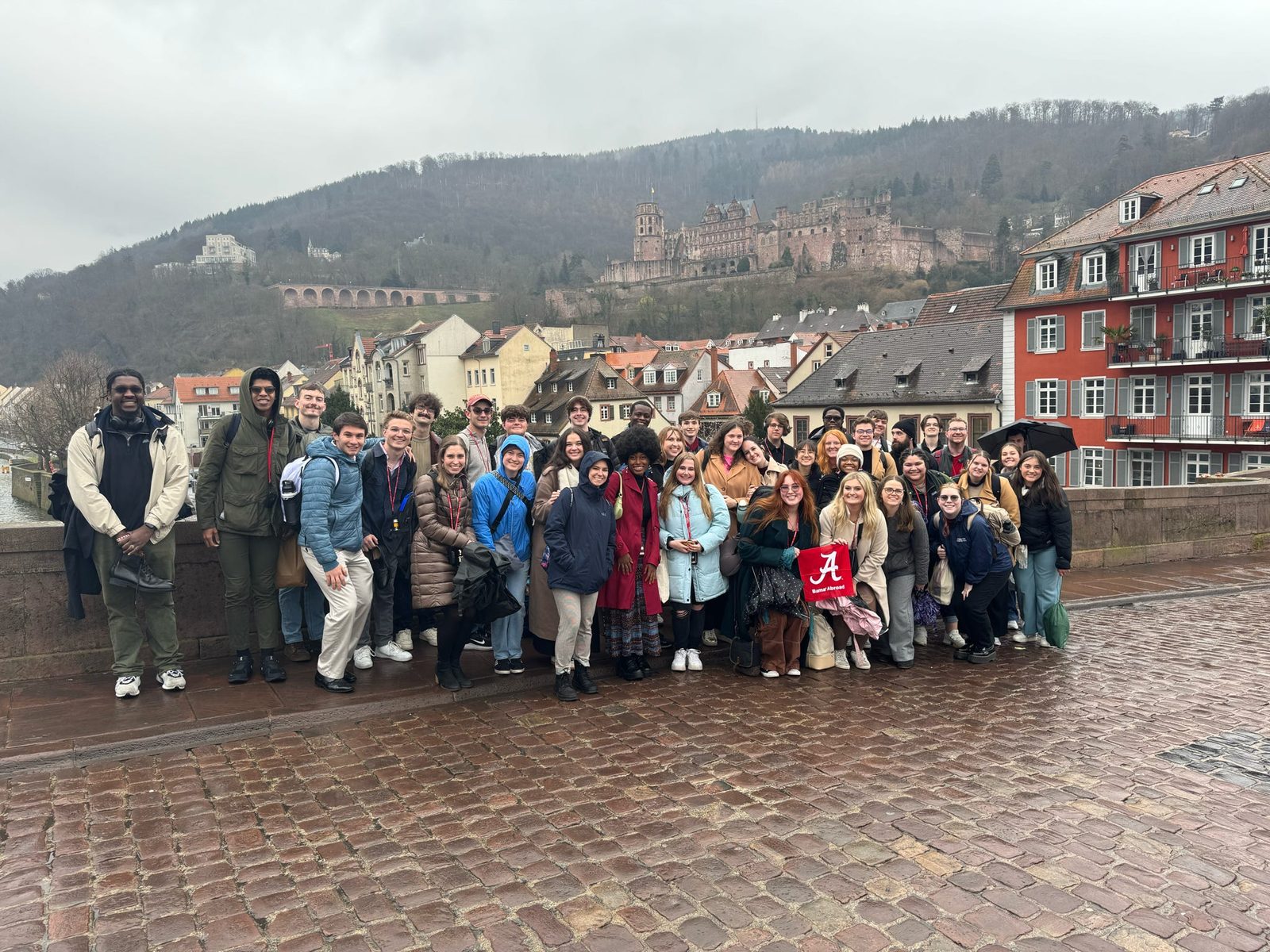
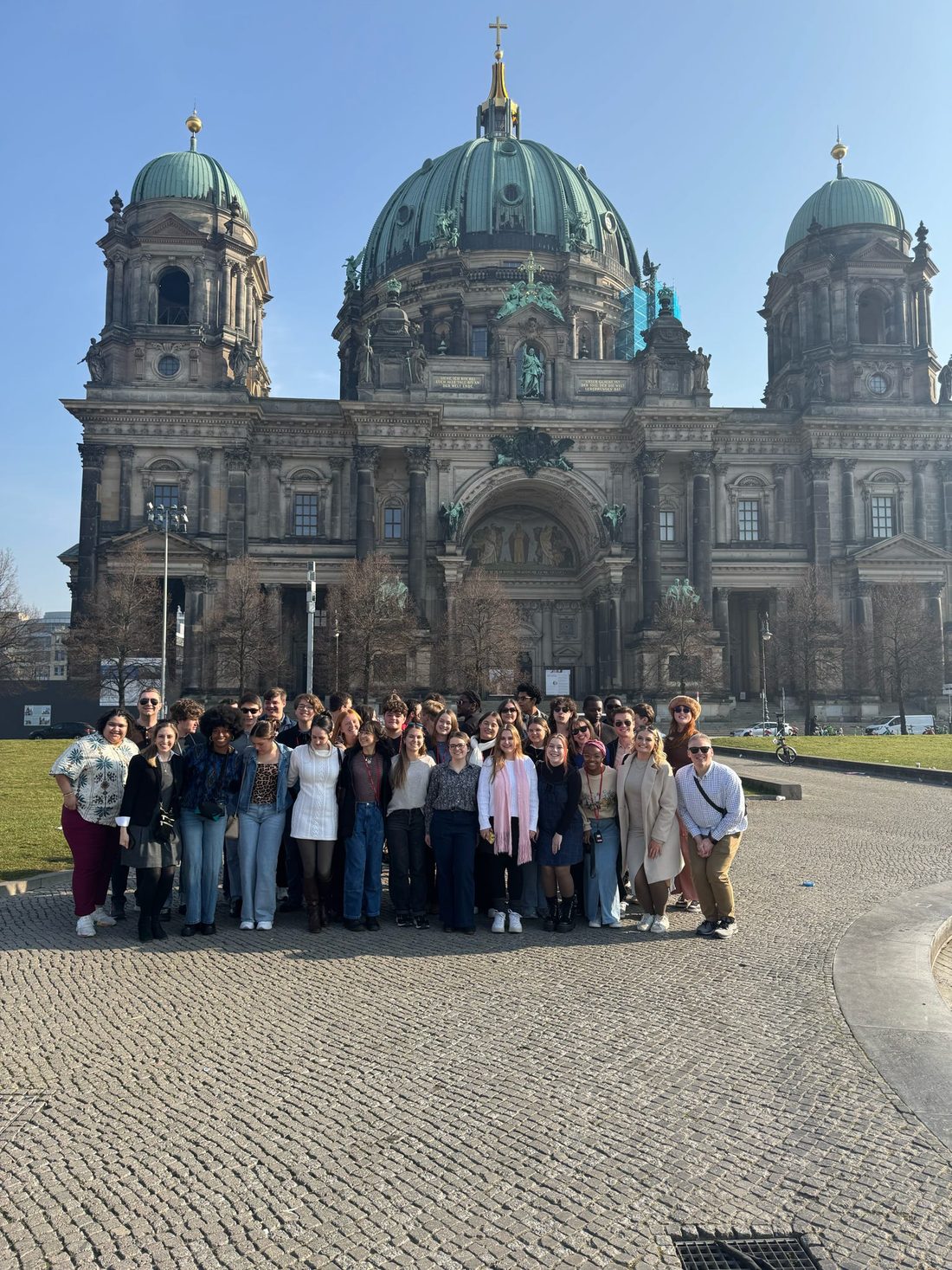
In the 2024–2025 season the University Singers of The University of Alabama set out to tour Germany. The itinerary was Berlin, Leipzig, Heidelberg, and Dresden, four cities where choral singing has been part of ordinary life for centuries. A tour of that size costs a great deal, and a fundraising goal was set toward it: thirty thousand dollars.
Why a choir travels has less to do with the performances than people assume. Singing for an audience that does not already love you teaches a young musician something they cannot learn at home, and that matters. The larger part of it is what the world gives back to them.
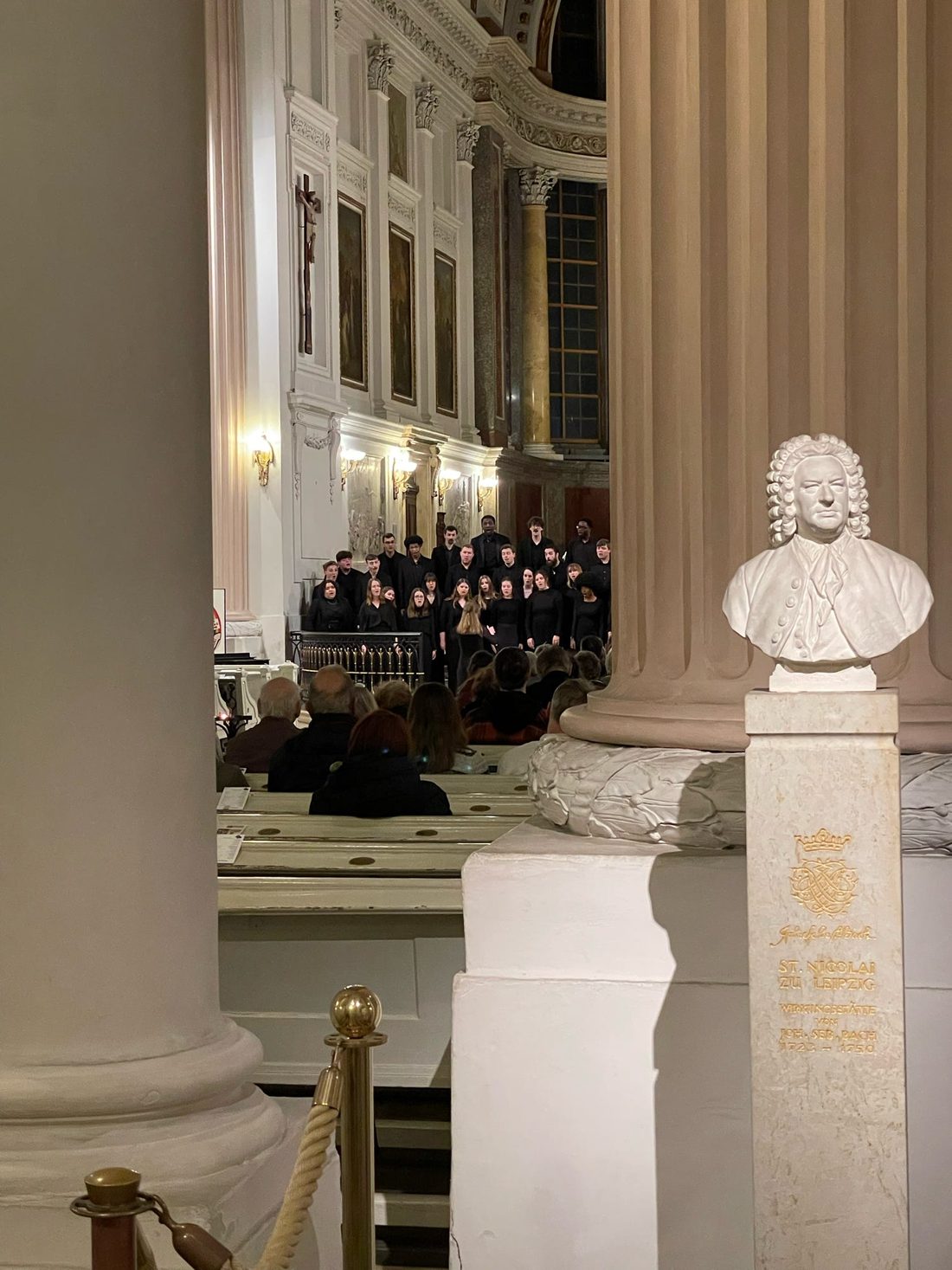
A student who sings Kyrie eleison, Lord, have mercy, in a cathedral where people have been making that same plea in song for centuries does not sing those words the same way again. Whatever the plea is for, forgiveness, or peace, or something far larger than oneself, it stops being language on a page. It becomes something human beings have asked for continuously, in that room, in that language, in song, and the student joins a line of people hundreds of years long.
And Cantate Domino, sing to the Lord, in a church built for rejoicing long before anyone now living, puts a young singer in company with everyone who has rejoiced there before. They join something else as well, and it may be the part they remember: the centuries of people who have stood in that space and heard their own voices come back to them off the stone.
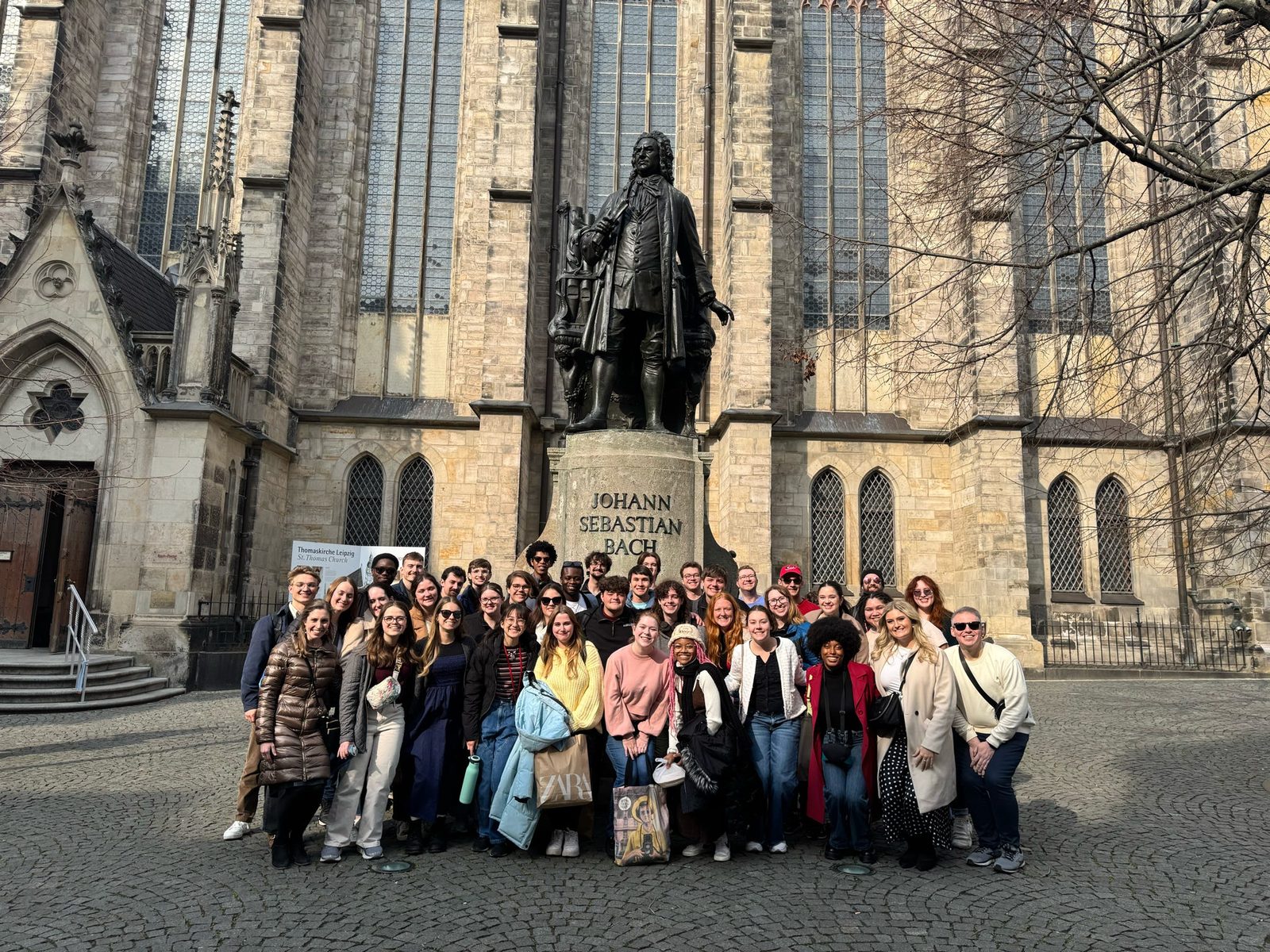
That is the education, and it is what giving helps make possible. Travel opens a singer’s eyes to other people, to one another, and to the discovery that music they have spent months rehearsing at home is both ancient and immediate. Vocal music is timeless and urgent at once, and students learn it by standing inside it.
A postcard from Alabama
They needed something of home to take with them and give to the people who came to hear them, so I wrote them one: a new unaccompanied arrangement of Sweet Home Alabama, made for these voices and asking a great deal of them, technically and artistically alike.
Sweet Home Alabama is a song much of the world already knows. Hearing it from young people who are actually from there, in a setting written for them, turned out to be a different experience altogether, and audiences in Germany answered it with real acclaim. Every concert on the tour had a moment that said where these students come from and what that place sounds like. They carried Alabama out into the world and left some of it in every room.
There is a line in the song I did not think much about while I was writing it.
I’m coming home to you.
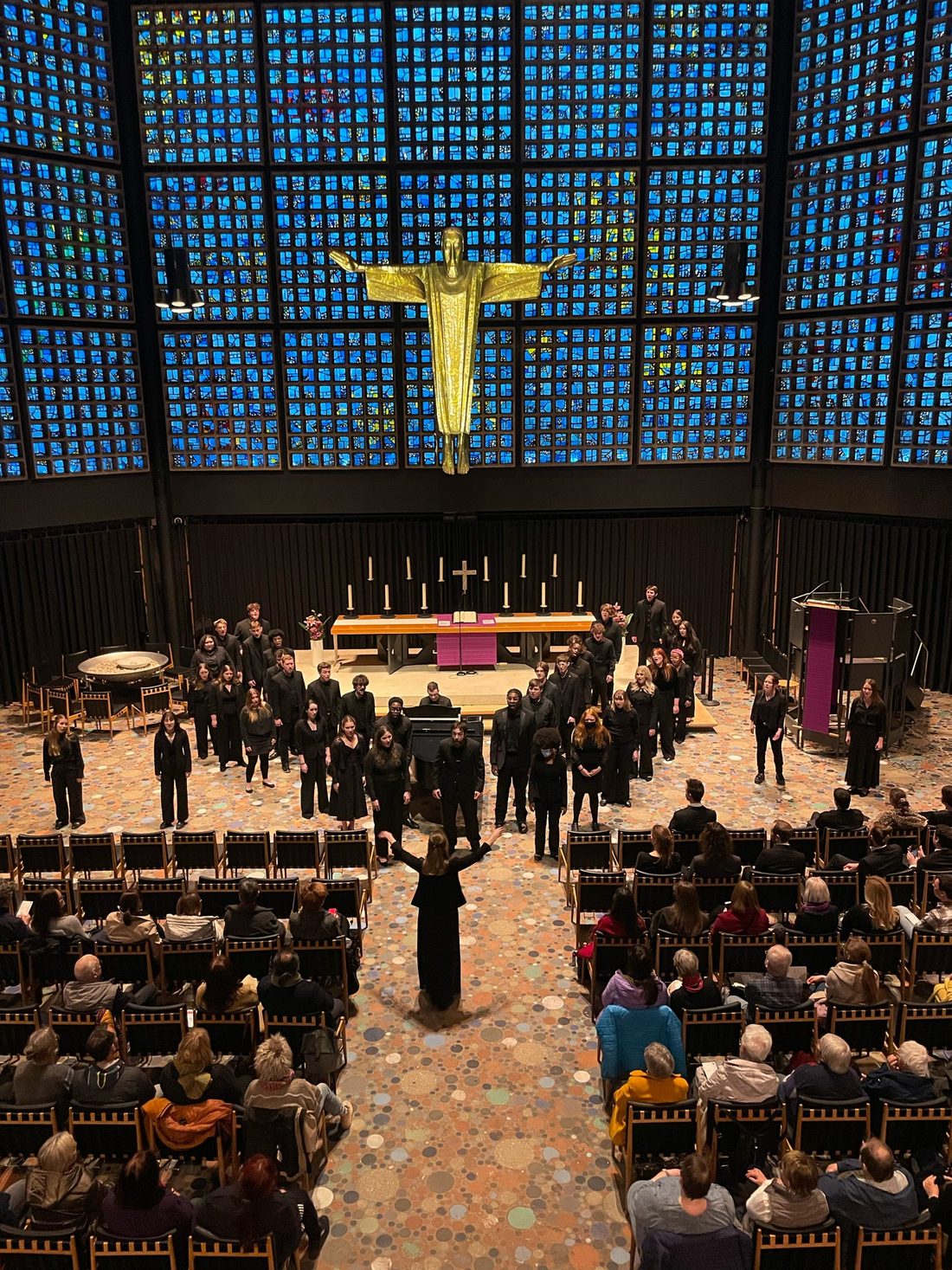
Sending these students out with something of Alabama to hand to their audiences was the whole idea, and the phrase turned out to describe the other half of it as well. They went, and then they came home, and they came home larger. What those rooms gave them did not stay in Germany. It came back into rehearsals here, into the singers standing beside them, into the audiences they sing for now, and into the classrooms of those who will go on to teach. That is what a gift to a choir does. It goes out into the world, and then it comes back and keeps working.
The arrangement has since been accepted by Hinshaw Music, part of the Fred Bock Publishing Group, for release in Spring 2027, when it will be available to choirs anywhere. The music carries the dedication to Dr. Morgan Luttig and the University Singers of The University of Alabama, so that any ensemble that sings it will know who sang it first, and the audience at the Sweet Home’s 300 concert will always have been the first to hear it.
Sweet Home’s 300
The name was a way of picturing the goal. Thirty thousand dollars is an abstraction. Three hundred people giving a hundred dollars each is something anyone can see, and seeing it is what makes a person believe it can be done.
The benefit concert was held in the spring of 2025, in the sanctuary of First United Methodist Church in Tuscaloosa. The room was full, and it was full of the whole community: people who had sung in choirs sixty years ago, people who had never been to a choral concert, families, students, neighbors, strangers.
Then people gave, and they gave at every level: a hundred dollars, three hundred, five hundred, a thousand. The count was never the point. The picture was. Everyone who gave at the hundred-dollar level and above became a University of Alabama Choral Arts Patron, and a gift at the thousand-dollar level commissioned a new choral work, to be written for the University Singers and premiered at a performance held in the donors’ honor.
The University Singers sang in Germany in May 2025. Everyone in that room had a hand in it.
From one concert to a series
The response to that afternoon was large enough, and warm enough, that a one-time benefit turned into something continuing. The Sweet Home Series now runs as a concert series, a commissioning program, and an ongoing benefit for the students of Choral Activities at The University of Alabama.
Its inaugural concert is Our Music Will Endure, on Sunday, October 11, 2026, and it presents the four works commissioned by the people who gave in 2025.
The road ahead
The first benefit was raised toward a single tour, and that tour happened. The students went to Germany, and they came home changed. But the need did not end when the plane landed, and neither did the reason to give.
What giving makes possible is not one trip. It is the next one, and the one after that: international tours that set young singers inside the places this music came from, national and regional performances that carry Alabama’s voices to new audiences, and the quieter, essential work of recruitment.
Some of the most important travel a choir does is close to home. Recruitment tours through the states around us are already being planned. They carry our singers into schools and communities nearby, and they invite students from those states to come to Alabama and take their own part in the excellence in choral music being built here.
That is what ongoing giving does. It does not close a chapter. It opens the next one, and it keeps the door open for the students who have not arrived yet.
How the commissions work
I write the commissioned works, and I am not paid for them.
One hundred percent of every commissioning gift goes to Choral Activities at The University of Alabama. Nothing is held back for the composer, for administration, or for anything else.
Each commissioner’s name stays with the piece it brought into being, in the score and in every program that follows it, for as long as the work is sung.
Choral music shaped my life, and it saved it.
Why I do this
Some may wonder why a university’s Area Coordinator of Music Composition invests so much time and energy raising money for its choral program. It is a fair question, and this is the answer.
I was a chorister. I traveled, in this country and abroad, and I sang beside my peers in rooms I would never otherwise have entered. What happened to me in those places changed my life in ways I could not have imagined at the time, and I will be grateful for it as long as I live. Somebody paid for that. Somebody decided that a group of young singers was worth sending somewhere.
Most of my working life since has gone back into it. I have worked as a clinician with festival choirs and all-state choirs. I have sung in choirs and conducted them: professional ensembles, volunteer choirs, university choruses. I have served as organist and choirmaster, and as director of music and worship arts, for churches with distinguished music programs. And I write a great deal for voices: operas, musicals, cantatas, anthems, and choral works that have been sung across this country and in many others.
None of that was a plan. It is where choral music took me.
So when a choir at my own university needed help getting somewhere, there was never a question in my mind. Choral music made the life I have. I will always do whatever I can to see that other people are given what I was given.
And it was never only the music. It was whoever stood in front of the choir. From the time I was a boy, and in all the years that followed, the choral conductors I sang for modeled the singing and modeled the living, and modeled the best of both. They mattered to me then and they matter to me now. A choir becomes whatever the person in front of it makes possible, which is why supporting these students means supporting the musician who forms them.
Dr. Morgan Luttig
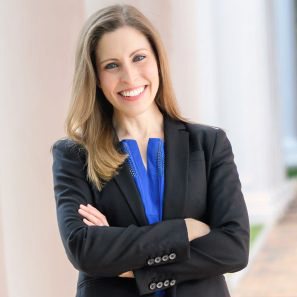
Dr. Morgan Luttig is Director of Choral Activities and Assistant Professor at The University of Alabama. She conducted the Sweet Home’s 300 benefit concert, she led the University Singers on the German tour that followed, and she will conduct the inaugural concert of the Series.
She directs the University Singers, the Treble Chorus, and the Druid City Chorus, and oversees the undergraduate and graduate conducting programs. She holds a Ph.D. in Music Education with an emphasis in choral conducting from Florida State University, a Master of Music Education from Westminster Choir College, and a Bachelor of Arts from Washington and Lee University.
Since her arrival she has nearly tripled enrollment in the University of Alabama choral program, and she now teaches more than three hundred and fifty students a year.
Her ensembles have been recognized nationally. In 2025 the University Singers took second place in the American Prize Ernst Bacon Memorial Award, and the Treble Chorus was selected to perform at the conference of the National Collegiate Choral Organization, an invitation worth understanding properly. The Treble Chorus is entirely non-auditioned: any student who wants to sing in it may. It was also the only treble ensemble invited to that national conference. An open-door choir, chosen for the country’s most competitive collegiate stage, is not a small thing.
In 2026 she received the University of Alabama President’s Faculty Research Award as Emerging Scholar in Arts and Humanities, the university’s highest recognition for research, creativity, and scholarship, awarded in a single arts and humanities category across the whole institution. The same year, the American Choral Directors Association named her one of six conductors from the United States for its International Conductors Exchange Program with Portugal, which sends choral leaders abroad as ambassadors for American choral music. She has been asked to do, in her own right, what she took these students to Germany to do.
Our Music Will Endure
The first word of the title is the one that matters. Not my music: ours.
The voice is the instrument a person is born holding, and singing together is among the oldest things people do. What happens where a choir is singing does not stop when the sound does. It stays with the singers, and with everyone who came to hear them. It changes them. Often it changes them a great deal.
That is what endures. Scores can be reprinted and recordings archived, but the lasting part of choral music has always been what it does to the people who make it and the people who hear it.
The texts a choir sings are ancient and contemporary and ongoing all at once: needed when they were written, needed now, and waiting for people who do not exist yet. That is the enduring power of vocal music, and it is both timeless and urgent.
The inaugural concert
Sweet Home: Our Music Will Endure
A Concert of Gratitude
The University Singers of The University of Alabama
Dr. Morgan Luttig, conductor
Sunday, October 11, 2026 · 2:30 p.m.
First United Methodist Church · Tuscaloosa, Alabama
Admission is free, and the public is warmly invited.
The program includes four newly commissioned works receiving their first performances, given by individuals and by a group, alongside repertoire the choir and its audiences already love. The afternoon is held in honor of everyone whose generosity began all of this.
Taking part
A commission begins with a conversation, and I am glad to have one. Every gift, whatever its size, goes to the same place.